logo
뉴스

Fire-Resistant vs. Flame-Retardant Cables: Key Performance Differences and How to Choose

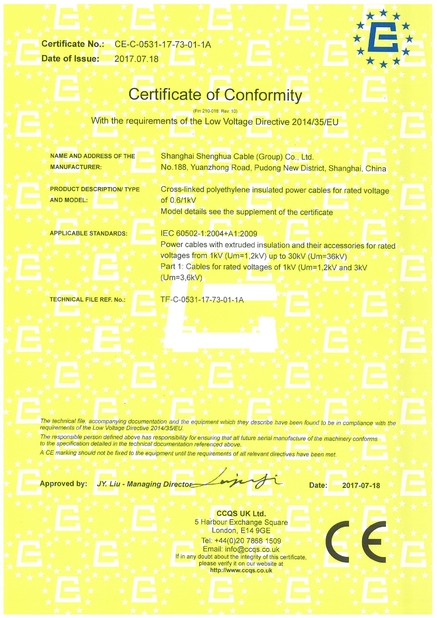
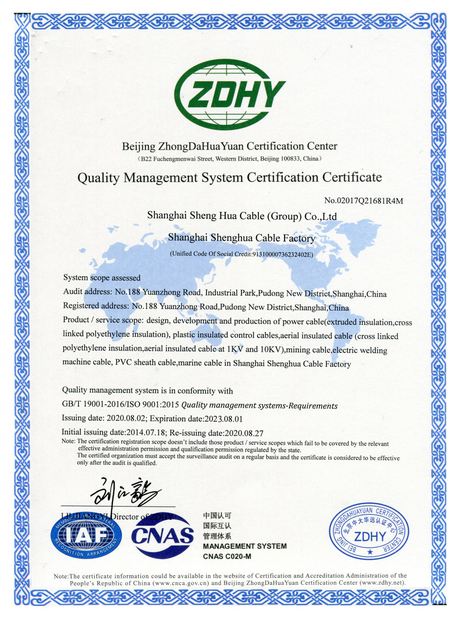
중국 Shanghai Shenghua Cable (Group) Co., Ltd. 인증
좋은 공급자, 빠른 속도 응답, 빠른 배달 시간, 고품질 제품. 나는 운이 좋습니다 당신을 찾아내기 위하여!

—— John Smith

우리는 5 년간 그(것)들을 사용할 것이다 함께를 사용에, 그들입니다 좋은 공급자 및 좋은 친구의 우리의 명예 이었습니다.

—— Mohamed Rebai

나는 이 회사의 서비스에 아주 만족합니다, 그들의 사업이 더 낫고 더 나을 것이라고 나는 믿습니다.

—— 다니엘

당신이 저희를 주었다 당신의 직업적인 발표 및 서비스는 기립 박수를 할 만했습니다. Shenghua는 더 밝은 미래를 보내야 합니다.

—— Rendell Brewster

우리는 당신이 그것을 할 수 있도록 도와 줄 것입니다.

—— KHADBAATAR

제가 지금 온라인 채팅 해요
회사 뉴스
Fire-Resistant vs. Flame-Retardant Cables: Key Performance Differences and How to Choose
에 대한 최신 회사 뉴스 Fire-Resistant vs. Flame-Retardant Cables: Key Performance Differences and How to Choose

Fire-Resistant vs. Flame-Retardant Cables: Key Performance Differences and How to Choose

When safety is on the line, not all cables are created equal. The critical distinction between fire-resistant (FR) and flame-retardant (FRLS or LSZH) cables lies in their fundamental mission during a fire. One is designed to keep the system running; the other is designed to keep the fire from spreading. Understanding their unique performance criteria and designs is essential for specifying the right cable for life safety and property protection.

1. The Core Mission: Circuit Integrity vs. Fire Containment

  • Fire-Resistant Cables: The Lifeline in a Fire

    • Primary Goal: Maintain circuit integrity and functionality under direct flame for a specified period (e.g., 90, 120, or 180 minutes). Their job is to ensure that critical emergency systems continue to operate, allowing for safe evacuation and firefighting.

    • Key Performance Criterion: Functional stability under fire. They must continue to conduct electricity even when exposed to temperatures of 750°C to 1000°C.

  • Flame-Retardant Cables: The First Line of Defense

    • Primary Goal: Inhibit the spread of flame along the cable and, in the case of modern standards, limit smoke density and toxic gas emission. They are designed to self-extinguish once the ignition source is removed, preventing a small fault from becoming a major catastrophe.

    • Key Performance Criterion: Low flame propagation and low smoke toxicity. They prioritize slowing fire spread and preserving breathable air for escape.

2. Structural Design: Built for Different Battles

The materials and construction are tailored to these distinct missions.

  • Fire-Resistant Cable Construction:

    The secret lies in protecting the conductor. A key feature is a mica tape wrap directly over the conductors. Mica is a mineral that maintains its insulating properties at extreme temperatures. In more advanced designs, intumescent coatings are used; these swell dramatically when heated, forming a thick, protective char that insulates the conductor. These layers are then typically covered with standard insulation and a flame-retardant outer sheath.

  • Flame-Retardant Cable Construction:

    The magic is in the material chemistry. Instead of standard PVC, these cables use special compounds:

    • Halogen-Free, Low-Smoke (LSZH) Materials: In case of fire, they produce very little toxic halogen gas and minimal opaque smoke, dramatically improving visibility.

    • Flame-Retardant Additives: Compounds like aluminum or magnesium hydroxide release water vapor when heated, cooling the flame and diluting combustible gases to achieve self-extinguishing properties.

3. Testing & Certification: Proving Their Mettle

Each type is subjected to radically different, rigorous tests.

  • Fire-Resistant Testing (e.g., IEC 60331):

    Cables are subjected to a high-temperature furnace (often 750°C+) while energized and under load. They must continue to function without a short circuit for the entire rated duration (e.g., PH120 for 120 minutes). This simulates a real fire's impact on operational circuits.

  • Flame-Retardant Testing (e.g., IEC 60332):

    • Flame Spread: The "bundle test" (IEC 60332-3) is critical, where a vertical ladder holds multiple cable lengths. After a set burn time, the charred length is measured. Categories like A, B, C denote increasing levels of performance (A being the best).

    • Smoke & Acidity: Separate tests (IEC 61034, IEC 60754) measure the density of smoke emitted and the corrosivity of the gases produced.

4. Selection Guide: Choosing the Right Tool for the Job

Feature Fire-Resistant (FR) Cable Flame-Retardant (FRLS/LSZH) Cable
Core Purpose Keep circuits alive during a fire. Stop fire spread and reduce smoke toxicity.
Key Feature Mica tape / intumescent barriers around conductors. Halogen-free, low-smoke material formulation.
Critical Test Circuit integrity under flame (IEC 60331). Flame spread on a vertical bundle (IEC 60332-3).
Typical Use Life Safety Systems: Fire alarms, emergency lighting, smoke extract fans, exit signage, critical infrastructure. General Wiring: Building power distribution, data networks, public spaces—wherever limiting fire and smoke is vital for escape.

Conclusion: A Complementary Safety Strategy

In modern building design, these cables are not competitors but essential partners in a holistic fire safety strategy.

  • Specify Fire-Resistant Cables for the "circuits of survival"—all systems that must work to get people out and help firefighters.

  • Specify high-grade Halogen-Free, Low-Smoke, Flame-Retardant Cables for general wiring to create a safer overall environment that actively resists fire growth and protects occupants from smoke inhalation.

By understanding their distinct roles, engineers and specifiers can create electrical installations that are not only code-compliant but intelligently designed to maximize safety for both people and property.

선술집 시간 : 2026-01-31 15:41:56 >> 뉴스 명부
연락처 세부 사항
Shanghai Shenghua Cable (Group) Co., Ltd.

담당자: Ms. Mayling Zhao

전화 번호: 86-21-68172999

팩스: 86-21-58179888

회사에 직접 문의 보내기 (0 / 3000)